
Why Some Tenant Turnovers Are More Expensive Than Others
The cost of preparing a property to re-rent largely depends on how “hardened” the property was when it was put into service and how the tenant takes care of it.

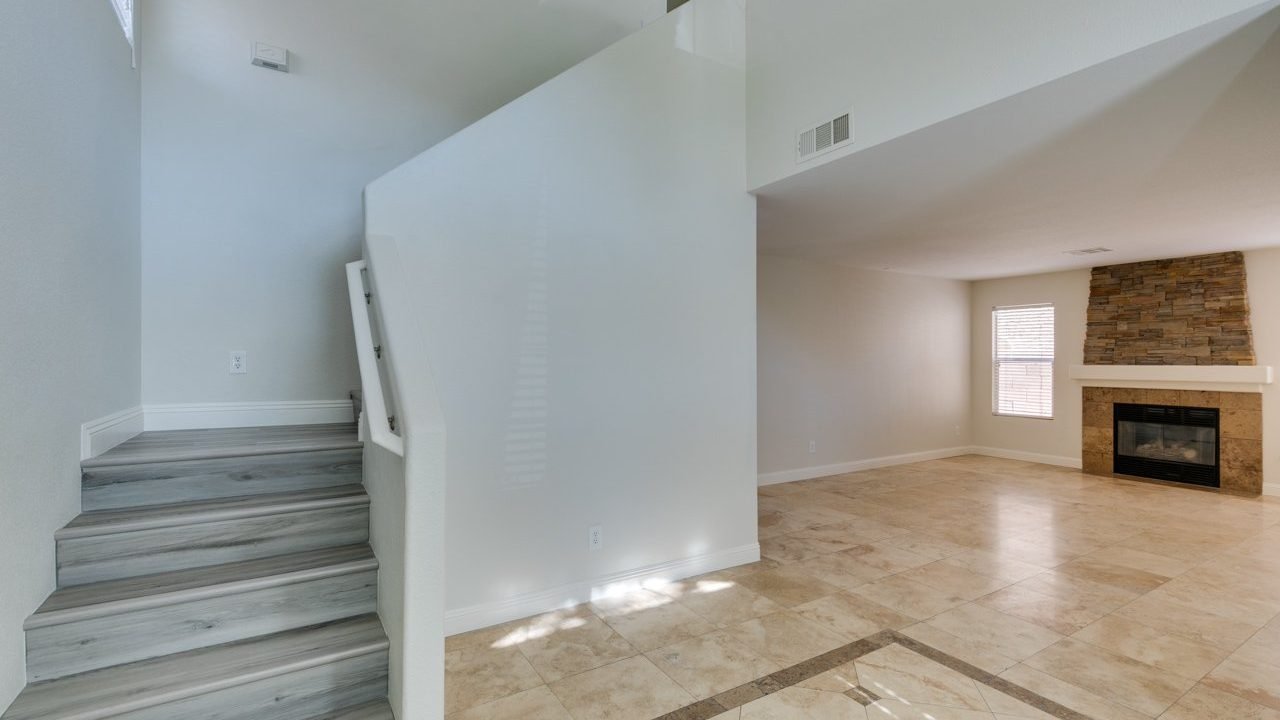
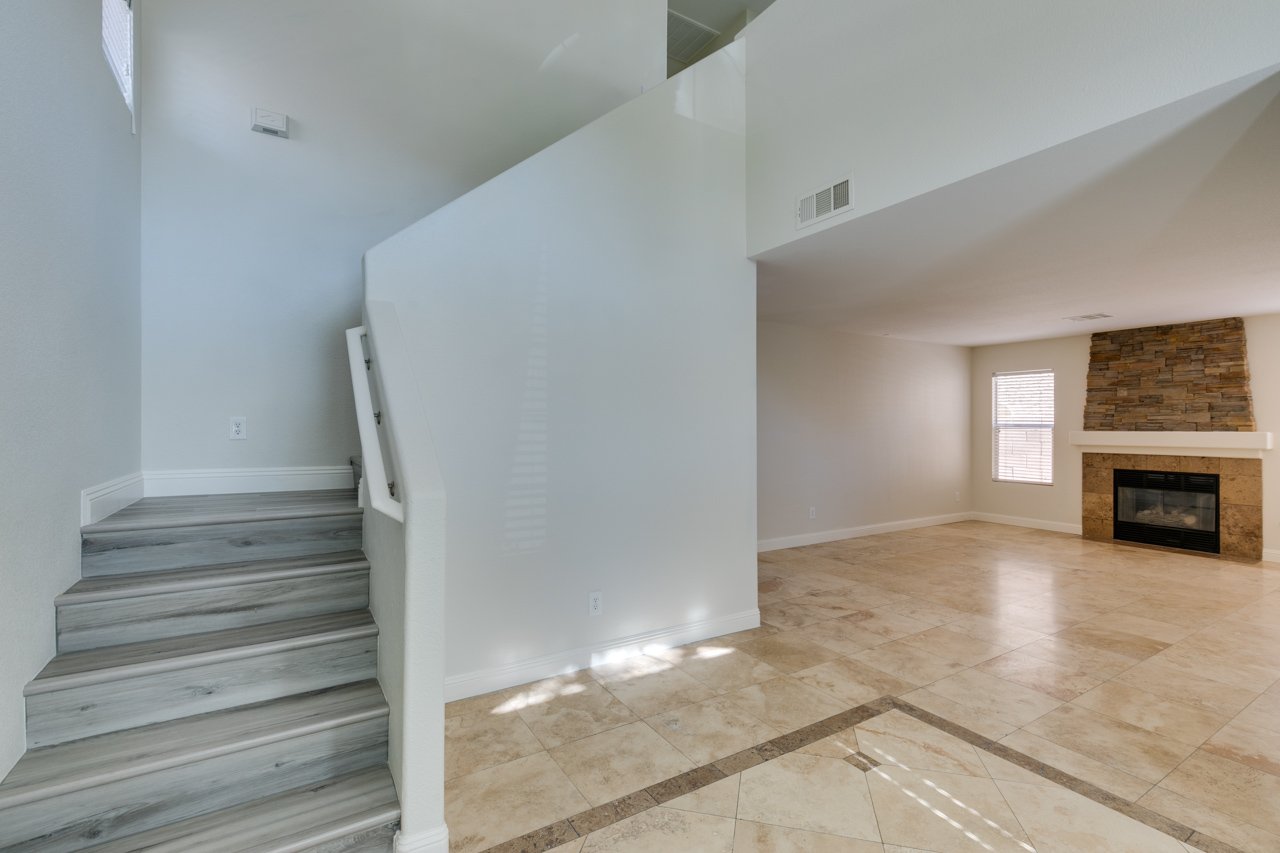
In my blog a couple of weeks ago, I stated that our average turn cost between tenants is less than $500. However, a few clients gave feedback that their turn costs were much higher. In this week’s blog, I will dive deeper into turn cost.
Renovation Cost vs. Turn Cost
The cost of preparing a property to re-rent largely depends on how “hardened” the property was when it was put into service and how the tenant takes care of it.
With a prior property manager, our renovation strategy was to spend as little as possible after purchasing a property and update it after tenant turns, depending on market conditions. This strategy spreads the renovation cost across the property’s hold time and does not require as much cash upfront. The downside is that the property may not generate peak rent initially, and the tenant turn cost may be large.
Since we started working with the current property manager (Lantana Property Management) about 3 or 4 years ago, we shifted our recommended renovation strategy to “harden” the property from the beginning to maximize the initial rent and minimize ongoing maintenance and repair/updating costs. This strategy does result in a more expensive initial renovation.
Recently, we’ve changed to a more balanced renovation approach, doing only what is necessary to get a reasonable rent while minimizing the renovation cost. While the renovation cost is lower, the turn cost may be higher. It is a pay-now-or-later situation.
For example, Cleo and I own properties that we made hardened during the initial renovation. We installed 100% LVP flooring (even on the stairs) and granite kitchen counters, removed all non-essential plants, replaced grass with rock, etc. The turnover cost for such hardened properties is very low. It is typically in the $100 to $400 range after deducting other costs from the tenant’s security deposit.
So, the cost to prepare a property for re-rent includes restoring it to its condition and updating it if needed. For hardened properties, the cost will be just restoring the property to its condition before the tenant moved in, and this cost to our owners is less than $500 on average (after tenant charges).
Why isn’t every property fully hardened during the initial renovation? Sometimes, it makes financial sense not to pay for complete hardening during the initial renovation. While this approach significantly cuts renovation costs, it can lead to higher turn costs. Therefore, the cost of preparing a property for re-renting depends on the degree of hardening and how well the tenant took care of the property (this portion of the turn cost is consistent among all of our properties due to the tenant demographic we attract and is low).
I hope this helps to clarify our tenant turn cost.
Related insights

How Will You Finance Your First Rental Property?
7 min read Continuing our new to real estate investing series, this week I will discuss the financing options available to first-time investors. Several…
New to Real Estate Investing Series — Single-Family or Multifamily?
We’re back this week with our new-to-real-estate-investing series. In the first article in this series, we discussed the first step a new investor needs…

New to Real Estate Investing Series – Where Should I Start?
Most of our clients started with no real estate investing experience and a similar goal: “I want to learn how to build long-term wealth…
Thinking about a Las Vegas rental?
A 30-minute conversation about your goals: whether Las Vegas fits your strategy, what a first property costs, and what the process looks like.
- We learn your goals and make sure we’re the right fit
- You get a clear picture of cash requirements and realistic returns
- You leave with next steps, whether or not you work with us