
A Remote Owner’s Checklist for a Well-Run Las Vegas Rental

3 min read
Owning a rental in Las Vegas while living elsewhere can work well—but distance makes the quality of local systems matter. A reliable plan for communication, maintenance, and reporting helps owners make informed decisions without trying to manage every task from another time zone. Use this checklist to set up a property for steady, professional oversight.
1. Start with a clear operating plan
Before a tenant moves in, agree on who handles inquiries, showings, lease administration, rent tracking, maintenance requests, and emergencies. Put response expectations and approval limits in writing. Decide which repairs can proceed without a separate approval and which require you to review an estimate first. A shared plan prevents small questions from becoming long email chains.
2. Document the property’s condition
Create a dated move-in record with clear photos, appliance details, key and access instructions, and notes about existing wear. Keep invoices, warranties, paint colors, and service contacts in one organized place. A consistent record makes future maintenance and turnover decisions easier, especially when the owner cannot visit in person.
3. Plan maintenance before it becomes urgent
Las Vegas heat can put heavy demands on cooling equipment and exterior materials. Ask a qualified local professional to recommend a maintenance cadence for the home’s HVAC, plumbing, irrigation, roof, and other major systems. Record completed work and upcoming recommendations. Between visits, give tenants a simple way to report leaks, cooling concerns, or safety issues, and route urgent reports to a real person.
4. Make leasing and turnover repeatable
Use the same documented process for each vacancy: assess condition, identify safety or repair needs, coordinate vendors, prepare accurate listing information, and confirm the home is ready before showings or move-in. Apply written screening criteria consistently and keep records of decisions. For a remote owner, a predictable process is more useful than rushing to fill a vacancy without knowing what was completed.
5. Keep reporting useful—not just frequent
A monthly owner statement should make it easy to understand rent received, expenses paid, invoices, open work orders, and upcoming decisions. Ask for supporting documentation when appropriate and flag unusual costs before they become surprises. If a report is unclear, request a plain-language explanation and a next step rather than a spreadsheet with no context.
6. Check local requirements and property rules
Rental requirements can depend on the property’s location, ownership structure, lease terms, and any HOA or community rules. Confirm current Clark County, city, state, and association requirements with qualified local sources before advertising or changing how a property is used. A manager can help organize the questions and records, but owners should not assume every neighborhood follows the same rules.
7. Set a communication rhythm
Choose a regular time to review performance, maintenance, and leasing activity. Keep a written log of open items, who owns each one, and when it will be revisited. That small habit gives an out-of-state owner a reliable view of the home without requiring daily check-ins.
Remote ownership is easier when local decisions are documented, maintenance is planned, and reporting answers the questions owners actually have. Fernwood helps Las Vegas-area owners coordinate the details of rental management and stay informed from wherever they live. Contact the team to discuss a property-specific plan.
Related insights

Common Mistakes Beginner Real Estate Investors Should Avoid
3 min read This article highlights common mistakes beginner real estate investors should avoid to maximize their chances of success. Understanding these pitfalls can…
Why I Continue to Choose Las Vegas for Rental Property Investment
Las Vegas does not lead every investment category, but it offers a rare combination of population growth, low operating costs, strong long-term appreciation, and…
How to Choose a City for Rental Property Investment
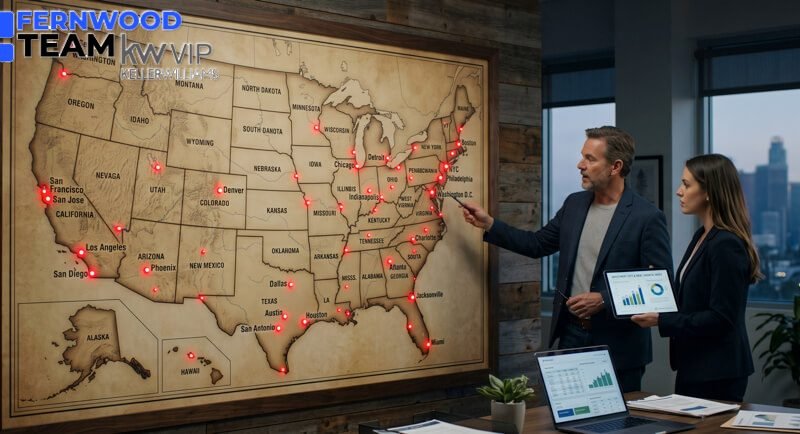
The city determines the long-term potential of a rental property. This guide explains how to screen markets using population, employment, income, crime, operating costs,…
Thinking about a Las Vegas rental?
A 30-minute conversation about your goals: whether Las Vegas fits your strategy, what a first property costs, and what the process looks like.
- We learn your goals and make sure we’re the right fit
- You get a clear picture of cash requirements and realistic returns
- You leave with next steps, whether or not you work with us
Leave a Reply