
Optimizing Rental Property Renovations: When Less Is More
If it doesn’t pay, it doesn’t stay,

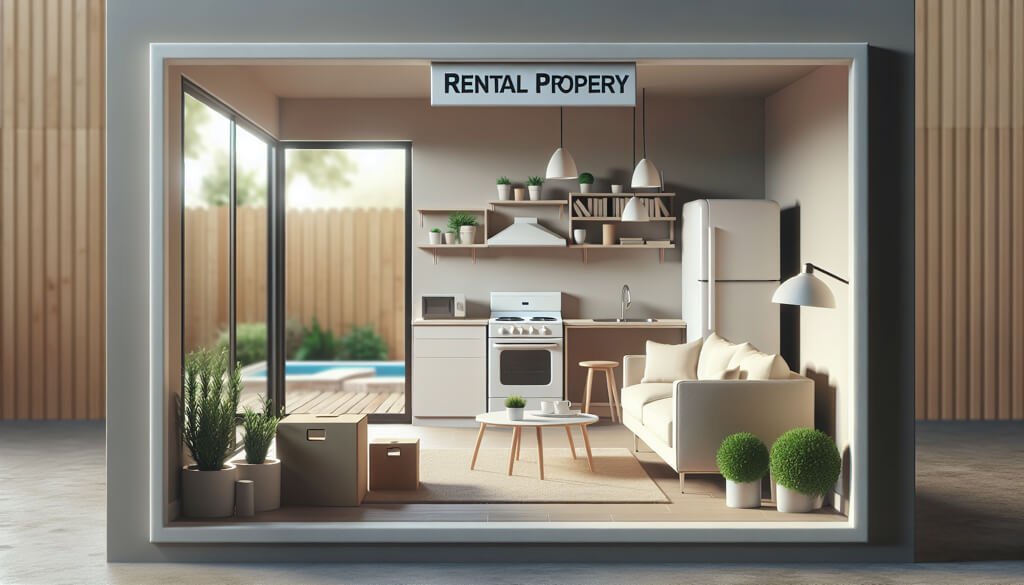
[Image generated with Dall-E]
As we pointed out in the first two installments of our rental property renovation series (why you should renovate rental properties and why standardize), the goal of renovation is to attract the right tenants, maximize rent, and minimize vacancy while minimizing maintenance and renovation costs.
Today, I will discuss the balance between making your property attractive to your target tenants and minimizing repair/maintenance costs.
Many properties come with features that are seemingly desirable: high-end appliances, security systems, smart thermostats, keyless entry pads etc. However, we recommend removing them. Why? Because they don’t increase rental income but create problems: service calls, tenant complaints, and liability risks. Below are some of the items we typically remove or replace during renovation.
- High-end appliances: When we acquire properties with expensive high-end appliances, we replace them with standard used units. Luxury appliances don’t increase rent but are likely to generate more service calls and create unrealistic expectations—tenants often demand equally expensive replacements when they fail.
- Water conditioners: We remove water conditioners and RO systems because tenants rarely maintain them properly—neglecting tasks like adding salt, replacing filters, and cleaning. This leads to service calls. Additionally, when units fail, tenants expect replacements.
- Hot tubs: Hot tubs present both a liability concern and a source of ongoing maintenance costs. Additionally, our target demographic (families with small children) is less likely to rent a property with a hot tub. So, we remove them.
- Alarm systems: I read a court case where someone rented a property with an alarm system. At some point, the house was burglarized. The tenant filed a lawsuit against the owner, claiming they had turned on the alarm before leaving the house and that the burglary was the result of the defective alarm system. We remove alarms and sensors to eliminate this liability.
- Camera systems: This is the same situation as alarm systems.
- CO detectors: In Nevada, landlords are not required to supply CO detectors for existing properties. If we find one during renovation, we remove it to avoid potential liability issues.
- Large decorative mirrors on walls: These are a liability and do not add value, so we remove them.
- Garage door keypads: These must be reprogrammed at every tenant turn, which adds cost and potential liability. So, these are removed.
- Hazardous plants: If roses, cacti, century plants, or similar hazardous plants are near a walkway, we replace them with plants like rosemary or lantana. I’ve read court cases where a child or other person fell into a cactus, was injured, and sued the landlord. These plants are a liability and do not increase rent.
- Satellite dishes: If a tenant wants satellite TV, they are likely to try to use the existing dish instead of buying one from the satellite vendor. This has resulted in service calls to get the dish working. We remove them to eliminate service calls.
Summary
“If it doesn’t pay, it doesn’t stay.”
We remove items that may trigger service calls or increase liability risk, unless they generate additional rental income or provide other clear benefits. This approach helps minimize both operating costs and potential liability exposure.
Sometimes, less is more.
Next week we will release our March market report. In it, we will explore the potential impact of the tariffs on the housing market. After that, we will continue our renovation series.
Related insights

How Will You Finance Your First Rental Property?
7 min read Continuing our new to real estate investing series, this week I will discuss the financing options available to first-time investors. Several…
New to Real Estate Investing Series — Single-Family or Multifamily?
We’re back this week with our new-to-real-estate-investing series. In the first article in this series, we discussed the first step a new investor needs…

New to Real Estate Investing Series – Where Should I Start?
Most of our clients started with no real estate investing experience and a similar goal: “I want to learn how to build long-term wealth…
Thinking about a Las Vegas rental?
A 30-minute conversation about your goals: whether Las Vegas fits your strategy, what a first property costs, and what the process looks like.
- We learn your goals and make sure we’re the right fit
- You get a clear picture of cash requirements and realistic returns
- You leave with next steps, whether or not you work with us